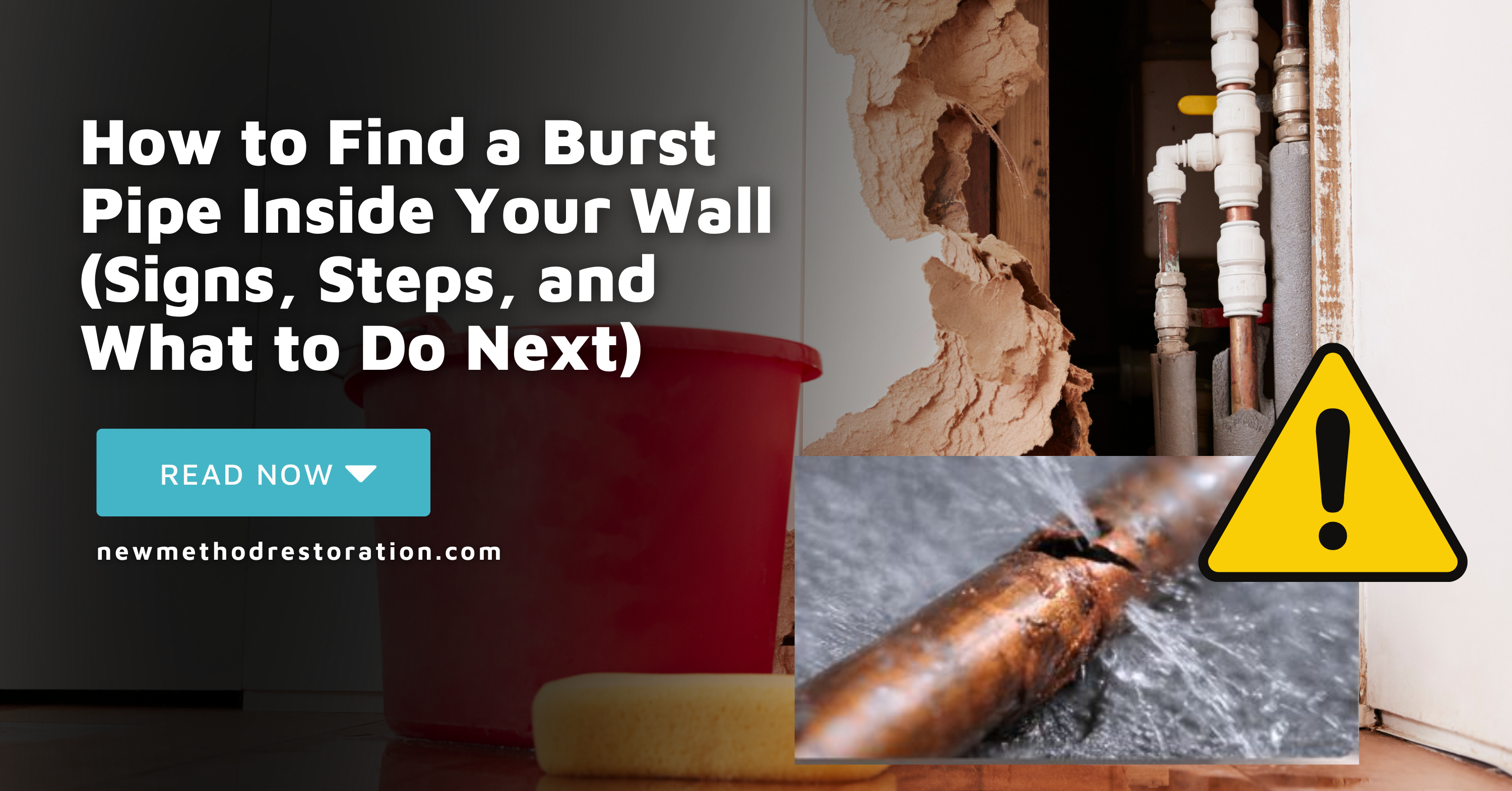
A burst pipe inside a wall is usually identified by ceiling stains, damp or cold wall sections, musty odors, dripping sounds, or sudden water bill increases, especially after freezing weather. Homeowners should shut off the main water supply immediately and contact a professional if the leak source isn’t visible. It is also one of the most stressful home emergencies that you can have, especially during cold weather. The hardest part? You often can’t see the pipe itself. Instead, the damage shows up quietly through stains, smells, or unexplained moisture.
This post is a guide that explains how to identify a burst pipe inside your wall, what warning signs to look for, and what steps homeowners can safely take before the damage spreads.
Why Pipes Burst Inside Walls (Especially in Winter)
During freezing temperatures, water inside pipes can freeze and expand. This puts intense pressure on the pipe walls, causing cracks or full breaks. Many pipes don’t leak immediately; they fail once temperatures rise and the ice thaws, releasing water behind walls, ceilings, or floors. Because these pipes are hidden, homeowners usually notice the damage after water has already spread.
Common Signs of a Burst Pipe Inside a Wall
1. Ceiling or Wall Stains
One of the earliest signs is a yellow, brown, or dark water stain on drywall or ceilings. These stains often grow over time and may feel soft or damp to the touch.
2. Dripping Sounds With No Visible Source
If you hear dripping, running water, or hissing sounds inside a wall when no fixtures are on, this can indicate an active leak behind the surface.
3. Musty or Moldy Odors
Trapped moisture behind walls creates the perfect environment for mold. A persistent musty smell—especially after a freeze—should never be ignored.
4. Warped or Bubbling Drywall
Drywall may begin to bubble, crack, or peel as water saturates it from behind. Paint may blister or wallpaper may loosen.
5. Unexplained Water Bills
A sudden spike in your water bill during winter can point to a hidden pipe leak that’s running continuously.
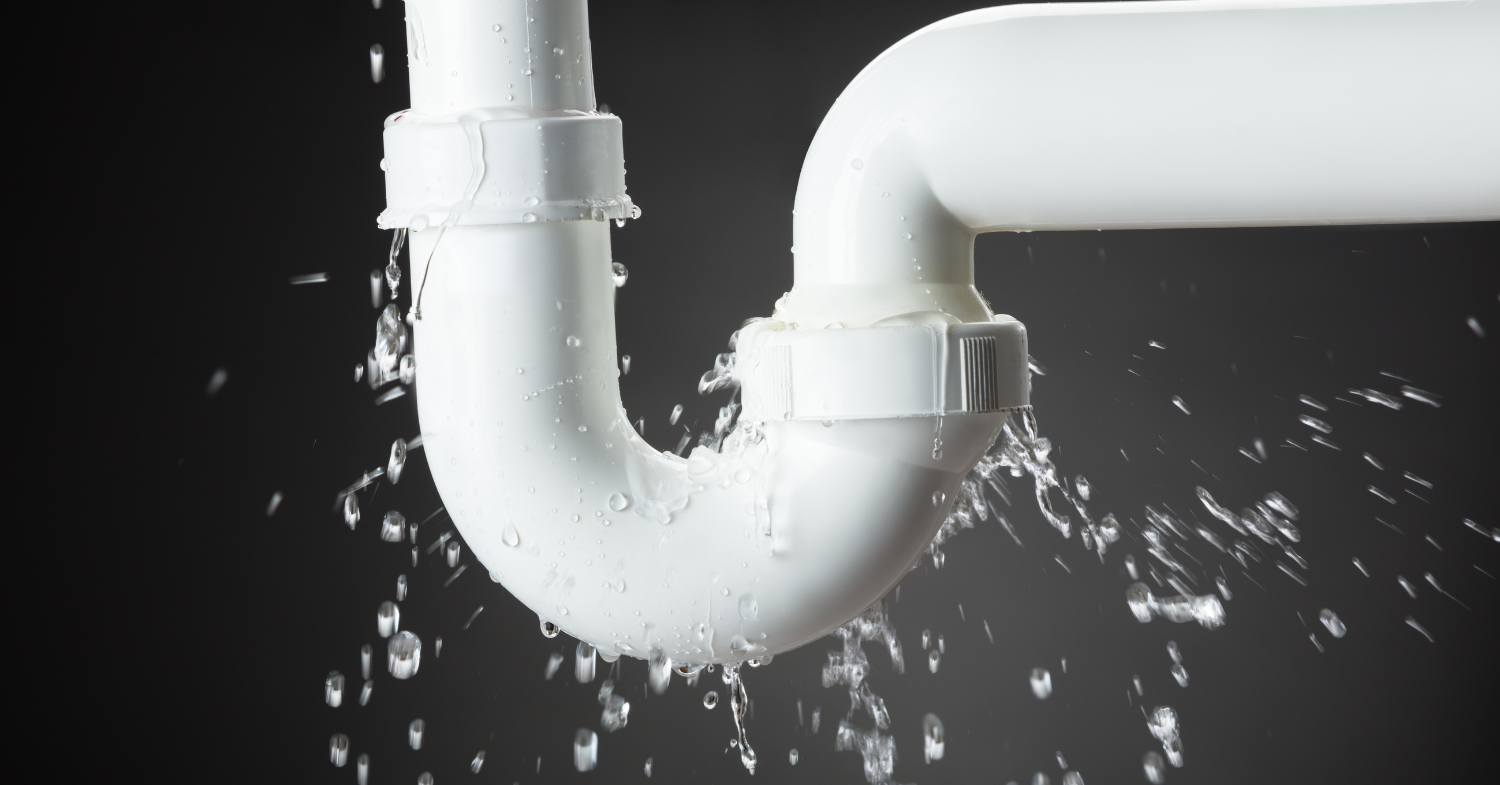
How to Check for a Burst Pipe Inside Your Wall
Step 1: Shut Off Water if You Suspect Active Leaking
If you believe a pipe has burst, turn off your home’s main water supply immediately. This helps limit further damage while you investigate.
Step 2: Inspect Cold-Prone Areas
Pipes commonly burst in:
-
Exterior walls
-
Basements and crawl spaces
-
Attics or unheated areas
-
Behind bathrooms, kitchens, and laundry rooms
Look closely for moisture, stains, or temperature changes along walls.
Step 3: Feel for Cold or Damp Wall Sections
Run your hand along suspect areas. Walls that feel unusually cold, damp, or soft may be hiding frozen or leaking pipes.
Step 4: Listen Carefully
At night or in a quiet room, listen closely along walls and ceilings. Even a slow leak can create faint dripping or trickling sounds.
Step 5: Check Nearby Fixtures
If water pressure is low in one area of the home but normal elsewhere, the problem may be localized behind that wall.
What NOT to Do!
-
Never cut into walls blindly
-
Do not rely on fans or space heaters to “dry it out”
-
Do not ignore small stains or drips
Hidden water spreads quickly and can damage insulation, framing, and electrical components.
When to Call a Professional
You should contact a professional immediately if:
-
The leak source isn’t visible
-
Water damage is spreading
-
There are signs of mold or strong odors
-
The leak occurred during freezing weather
-
You’re unsure where the pipe runs
Professionals like us at New Method Restoration use moisture detection tools and thermal imaging to locate leaks without unnecessary damage.
For homeowners dealing with winter pipe bursts or hidden water damage in New Jersey, New Method Restoration provides a fast, professional response to help locate the problem, properly dry affected areas, and prevent further damage.
What to Expect After a Burst Pipe Is Found
Once the source is identified:
-
Water extraction and drying begin immediately
-
Affected materials are assessed for damage
-
Moisture levels are monitored to prevent mold growth
-
Documentation is prepared if insurance is involved
Early action significantly reduces repair costs and long-term issues.
Dealing With a Water Emergency In Your Home?
If you suspect a burst pipe or hidden water damage, fast action matters. Professional drying and moisture detection can prevent mold and costly repairs.
Call New Method Restoration for 24/7 water damage help: 888-898-1768