New Jersey Water Damage Restoration Specialists
Our WATER RESTORATION PROCESS
Mold can begin growing much faster than most homeowners expect. In the right conditions, mold growth can start within 24–48 hours after water damage occurs.
Mold thrives when moisture is trapped in:
Drywall and insulation
Carpet padding
Wood framing or subfloors
Removing and drying water damage correctly requires professional-grade equipment, not household fans or shop vacs.
This is why trained professionals should handle serious water damage.
Water damage restoration typically involves:
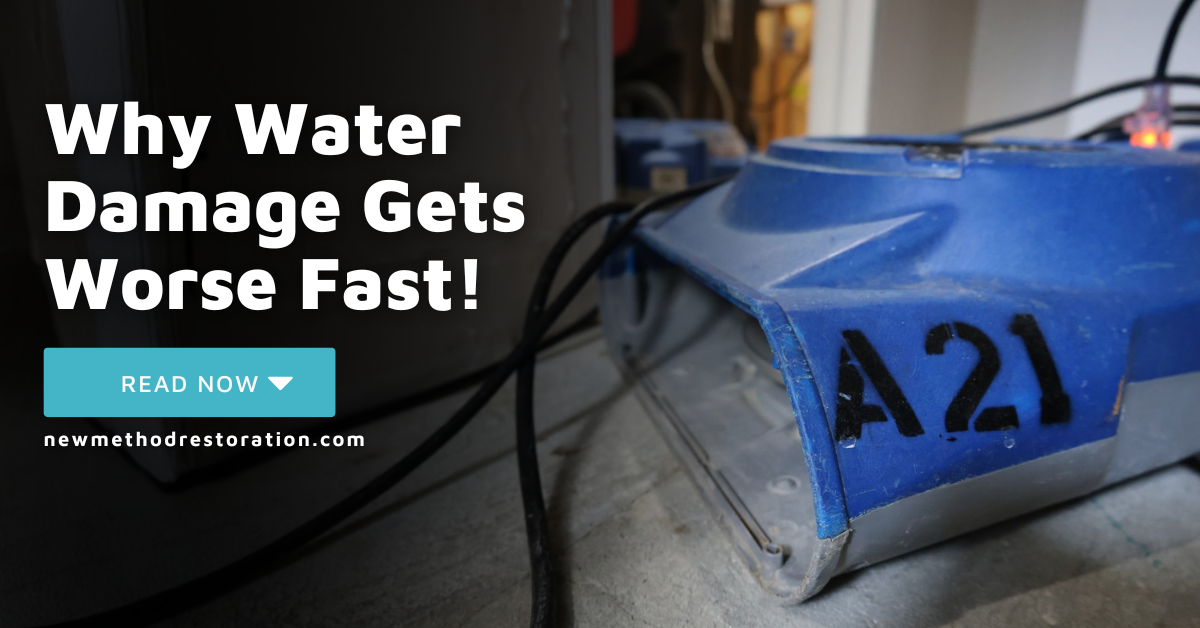
Commercial air movers to speed evaporation
Industrial dehumidifiers to remove moisture from the air
Yes, water damage restoration companies commonly work alongside homeowners and insurance providers, but it’s important to understand the role each party plays.
A restoration company may help by:
Documenting damage and moisture levels
Providing photos, drying logs, and reports
Communicating damage details when requested
Determining the source of a water leak isn’t always obvious. Water often travels before it becomes visible, making leaks difficult to trace without experience.
Water stains after heavy rain
Drips near ceilings or exterior walls
Damage that worsens during storms
Water appears even in dry weather
A water leak should always be treated as urgent. Even small leaks can spread quickly into walls, floors, and ceilings, leading to mold and structural damage if not addressed right away.
If possible, be safe, but:
Shut off the main water supply
Turn off the source feeding the leak
Avoid contact with water near electrical outlets or panels
Filing a water damage insurance claim in New Jersey requires clear documentation showing the cause, extent, and response to the damage.
Having proper records helps avoid delays and claim disputes.
Most homeowners' insurance claims require:
Photos or videos of affected areas
Description of what caused the damage
Water damage restoration timelines vary, but most projects take several days, depending on the severity of the damage and how quickly drying begins.
In New Jersey homes, restoration time is affected by moisture levels, materials involved, and whether water reached hidden areas.
While every situation is different, most projects include:
Water extraction: Same day
Structural drying: 3–7 days on average
When your home has water damage, who you allow inside your property matters. Restoration work involves water extraction, structural drying, and potential mold risk, so technicians must be properly trained and protected.
New Method Restoration uses trained professionals and carries appropriate insurance, helping protect homeowners during the restoration process.
Certified and insured restoration technicians help ensure:
Proper water mitigation techniques are used
Drying is done according to industry standards
Water Damage Happened Overnight. Did I Wait Too Long to Call?
Not necessarily, but you should call for help as soon as you discover the damage.
Water damage often happens overnight due to burst pipes, appliance failures, or leaks that go unnoticed while sleeping. What matters most is how quickly you act once you find it.
Water damage can worsen quickly, leading to:
Mold growth within 24–48 hours
Can My AC Unit or Condensation Line Cause Water Damage?
Yes, AC units and clogged condensation lines are a very common cause of water damage, especially during warm, humid months.
Air conditioners remove moisture from the air, and when that moisture can’t drain properly, it can overflow into your home.
Water damage can occur when:
The condensation drain line is clogged
Mold can often announce itself before you ever see it. One of the most common early warning signs is a musty, damp, or earthy odor, especially in basements, crawl spaces, or closed rooms.
This smell is caused by gases released as mold grows and feeds on damp materials.
Mold smells are often described as:
Musty or stale
Earthy or “wet dirt.”
A water leak in your home should always be treated seriously. Even small leaks can cause major damage if water spreads into walls, floors, or ceilings.
The first steps you take can significantly reduce damage and repair costs.
If possible and safe to do so:
Shut off the main water valve
Turn off the source supplying the leak
When water damage happens, many homeowners panic and aren’t sure what to say when they call for help. The good news is you don’t need to know technical terms; clear, basic information is enough to get help on the way fast.
When calling New Method Restoration, focus on describing what’s happening right now.
Be prepared to explain:
Where the water is (basement, kitchen, bathroom, ceiling, etc.)
What caused it, if known (burst pipe, leak, flooding, appliance, sump pump)
Yes, absolutely, water damage can create serious electrical and safety hazards, especially if water comes into contact with wiring, outlets, appliances, or electrical panels. These risks aren’t always visible and can persist even after standing water appears to be gone.
Water and electricity are a dangerous combination, and hidden moisture can turn a water damage event into a major safety issue.
Water damage can lead to:
Electrical fires caused by short circuits
Electrocution risks from energized water or wet wiring
A flooded basement is a home emergency. Water can rise quickly, damage structural materials, and create mold and electrical risks within hours.
If your basement just flooded, your first call should be to a professional water damage restoration company, like us.
Professional water damage restoration teams can:
Respond immediately, day or night
Extract standing water quickly
If you’re dealing with water damage, the most important factor is a fast, local response. Water spreads quickly, and delays can lead to mold growth, structural damage, and higher repair costs.
New Method Restoration provides professional water damage restoration services throughout New Jersey, responding to emergencies caused by flooding, leaks, and moisture intrusion.
New Method Restoration serves residential properties across New Jersey, helping homeowners recover from:
Basement flooding
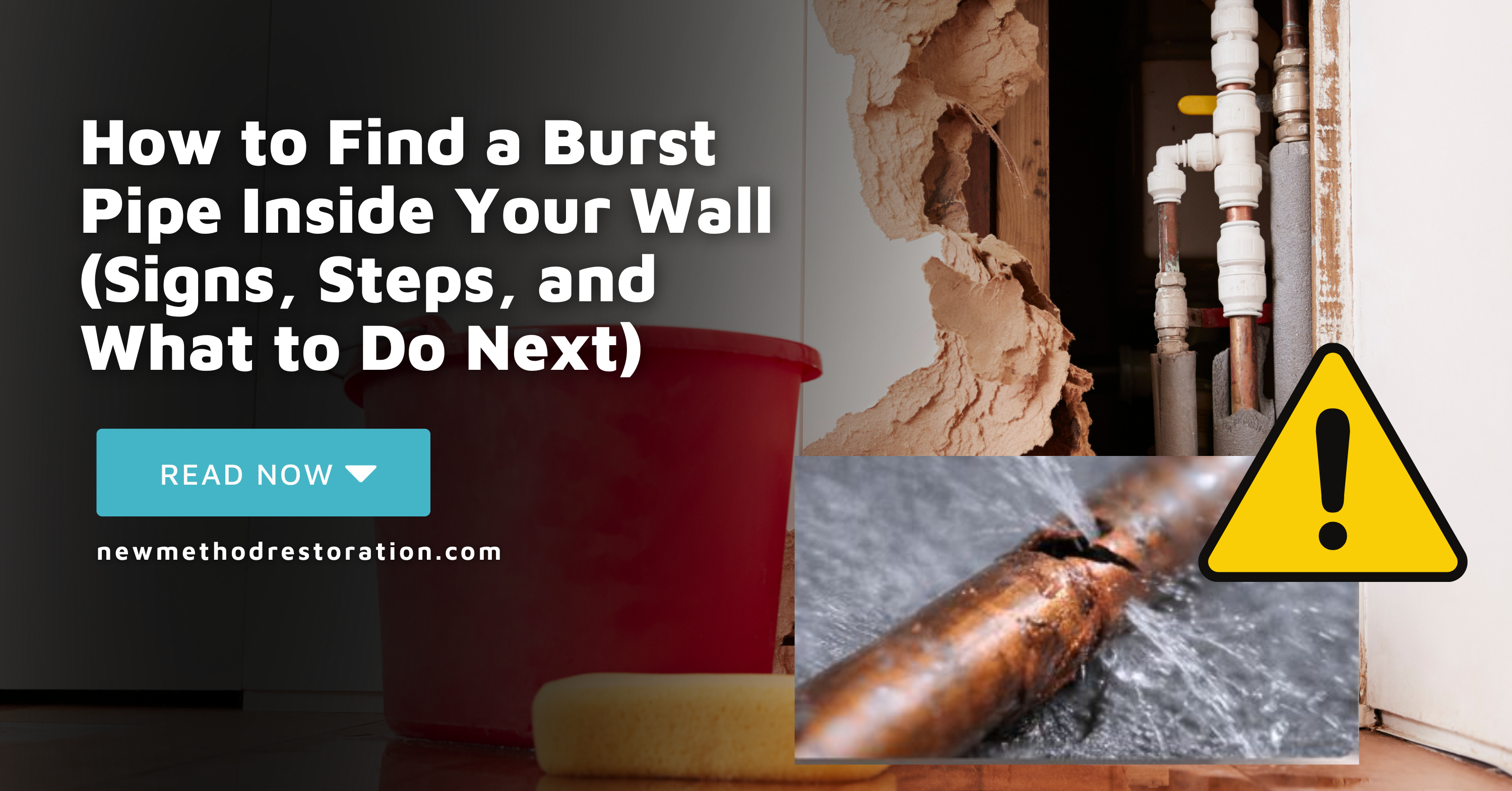
Burst or leaking pipes
After water damage, many homeowners worry about mold, and for good reason. Mold can begin growing within 24–48 hours if moisture isn’t properly dried, especially in basements, behind walls, and under flooring.
The challenge is that mold isn’t always visible, so knowing what to look for is critical.
You may have mold if you notice:
A musty or earthy odor, especially in basements or closed rooms
Visible discoloration on walls, ceilings, or flooring (black, green, white, or gray spots)
Basement flooding is one of the most common, and most confusing insurance questions homeowners face in New Jersey. The short answer is: it depends on the source of the water, not the damage itself.
Understanding what caused the flooding is critical to knowing whether your insurance may apply.
Homeowners insurance may help cover basement flooding if the water damage is sudden and accidental, such as:
A burst or frozen pipe
A broken water heater
My Sump Pump Failed. Who Do I Call Right Now?
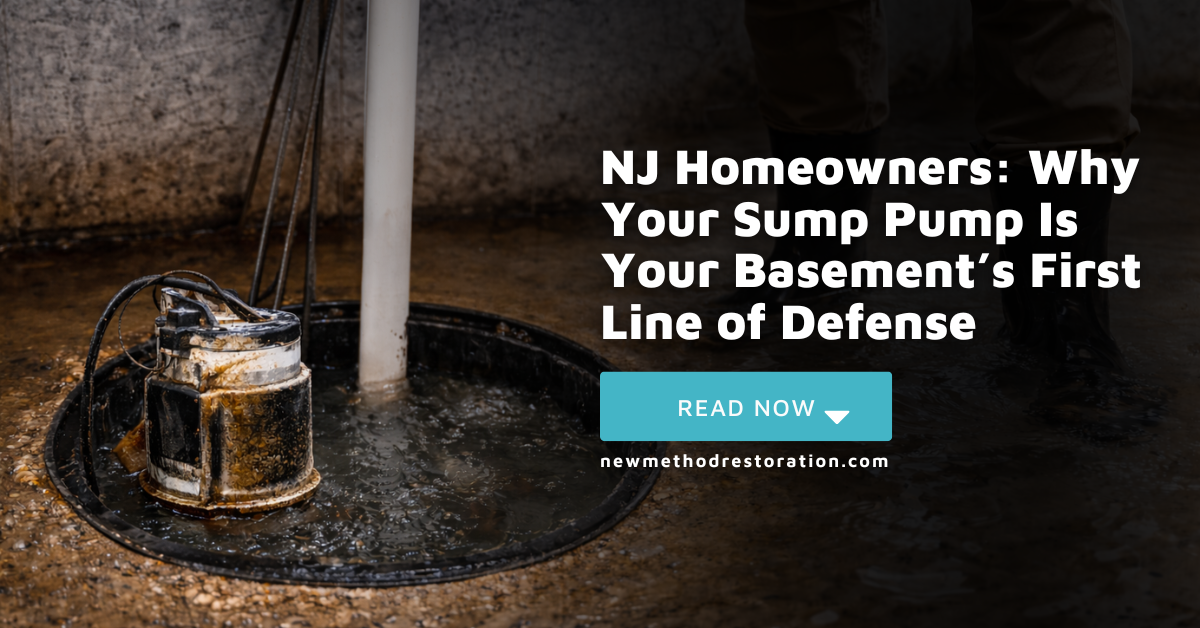
A sump pump failure is a true home emergency. When your sump pump stops working, water can rise fast—flooding your basement, damaging walls and flooring, and creating serious mold and electrical risks within hours.
If your sump pump just failed, your first call should be to a professional water damage restoration company, not a general contractor or your insurance company.
When a sump pump fails, stopping and controlling the water is the priority.
A professional water damage restoration company can:
Water damage doesn’t wait for business hours—and neither should your response. Burst pipes, basement flooding, appliance leaks, and storm damage often happen late at night, early in the morning, or during weekends. When water is actively spreading, every minute counts.
The short answer: Yes. New Method Restoration is available 24/7 for emergency water damage response.
Here’s why that matters, and what happens when you call.
Water damage can escalate fast. Delaying response—even overnight—can lead to:
Structural damage to walls, floors, and ceilings